MSM Living Water
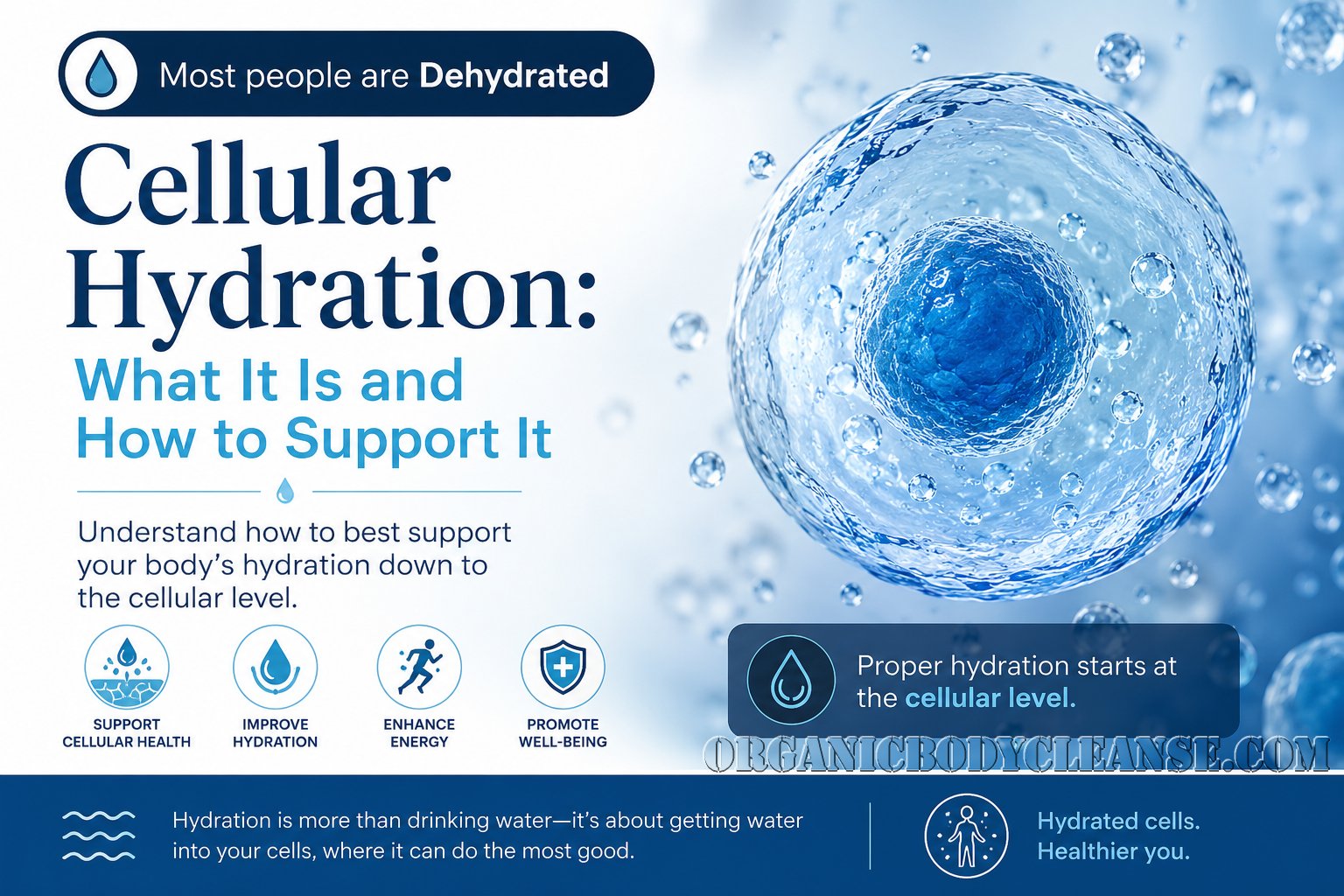
Cellular Hydration: What It Is and How to Support It
Cellular hydration means more than simply drinking water. It refers to your body’s ability to absorb, distribute, and retain fluid where it is needed, including inside and around your cells. Water supports temperature control, circulation, digestion, nutrient transport, waste removal, joint lubrication, and normal cellular function.
At the cellular level, hydration depends on a balance of water and electrolytes. Electrolytes are charged minerals such as sodium, potassium, magnesium, chloride, calcium, and phosphate. They help regulate fluid movement, nerve signals, muscle contractions, and acid-base balance.
Why Many People Feel Under-Hydrated
You can become under-hydrated when you lose more fluid than you replace. Common causes include sweating, hot weather, intense exercise, alcohol intake, illness, diarrhea, vomiting, and simply not drinking enough throughout the day. Mayo Clinic notes that dehydration can also involve loss of important minerals called electrolytes, especially during diarrhea, vomiting, or heavy sweating.
Signs you may need more fluids include:
- Thirst
- Dry mouth
- Dark yellow urine
- Fatigue
- Headache
- Dizziness
- Muscle cramps
- Reduced focus
Thirst is useful, but it is not always an early warning sign, especially for older adults.
How to Support Cellular Hydration
1. Drink water consistently, not just when thirsty.
Most healthy adults meet hydration needs through total daily fluids from water, beverages, and water-rich foods. Mayo Clinic and Harvard Health cite general daily fluid ranges around 11.5 cups for women and 15.5 cups for men, though individual needs vary by body size, activity, climate, diet, and health status.
2. Replenish electrolytes when losses are higher.
Plain water is usually enough for normal daily hydration and moderate activity under about an hour. Electrolytes become more important during heavy sweating, prolonged exercise, heat exposure, vomiting, or diarrhea.
3. Eat water-rich foods.
Fruits and vegetables such as watermelon, oranges, cucumbers, celery, berries, leafy greens, and tomatoes provide both fluid and minerals that support hydration.
4. Support mineral balance through food.
Potassium-rich foods include bananas, potatoes, beans, leafy greens, and avocados. Magnesium can come from nuts, seeds, whole grains, and dark leafy greens. Sodium is also an electrolyte, but many people already get plenty from processed foods.
5. Avoid overdoing electrolyte supplements.
Electrolytes can be helpful in the right context, but more is not always better. People with kidney disease, heart disease, high blood pressure, or those taking certain medications should be careful with electrolyte powders or high-mineral drinks unless advised by a clinician.
Simple Daily Hydration Routine
Start your morning with water. Drink steadily throughout the day. Add electrolytes or mineral support when sweating heavily, exercising for a long period, working in heat, or recovering from fluid loss. Use urine color, thirst, energy, and physical performance as practical hydration signals.
Bottom line: Cellular hydration is about helping your body maintain the right balance of water and electrolytes so your cells can function properly. Water is the foundation, but minerals, diet, activity level, and fluid loss all matter. MSM Living Water